


Key Takeaways
- Hydroplaning happens when tires lose road contact due to water buildup, removing all traction and control.
- Commercial vehicles face higher hydroplaning risk from worn tread, high speed, poor load balance, and sudden braking.
- Prevention depends on maintaining tire condition, adjusting speed, avoiding cruise control, and reading the road ahead.
- Matrack improves driver safety by using GPS tracking, ELD, and fleet dash cam to monitor traction risks and support real-time response.
What Does Hydroplane Mean For Commercial Drivers?
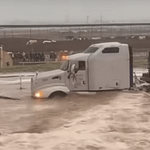
Hydroplane means the tires stop touching the road and slide across a surface layer of water. This removes all traction, making steering and braking impossible.
It happens when water builds up under the tires faster than the tread can push it away. As speed increases or tread wears down, the chance of hydroplaning rises sharply.
What Are The Main Causes of Hydroplaning In Commercial Driving?
Hydroplaning in commercial vehicles happens when tire traction breaks down on wet pavement. Six specific conditions directly increase this risk during freight operations.
- Low Tread Depth: When tread depth drops below 4/32 of an inch, the tires lose their ability to move water away from the surface. Water collects inside the grooves and lifts the tires off the road.
- Excessive Speed: Driving over 50 miles per hour in rain reduces how much of the tire touches the pavement. As speed increases, the water beneath the tire forms a layer that breaks contact with the road.
- Standing Water on the Road: Water that pools in ruts, curves, or low spots often causes a quick loss of control. When a truck rolls into these areas, the tires can begin sliding without warning.
- Uneven Load Distribution: If cargo is loaded unevenly, some tires carry more weight than others. This imbalance makes certain wheels more likely to lose grip, especially in curves or during turns.
- Improper Tire Inflation: Tires that are overinflated ride on a smaller surface area and lose traction faster. Underinflated tires flex too much, changing tread shape and reducing water clearance.
- Poor Brake Timing or Overreaction: Slamming on the brakes in wet conditions locks the wheels and removes steering control. Sharp steering or sudden inputs often cause trailers to swing out and push the truck into a skid.
What To Do When Hydroplaning?
- Ease off throttle: Lift your foot gently to reduce speed without forcing the tires to lose more grip. Sudden deceleration increases instability during a slide.
- Hold steering steady: Keep the wheel straight to maintain the vehicle’s direction. Jerking the wheel can cause a wider skid or trailer swing.
- Avoid hard braking: Do not press the brake pedal immediately. Braking too soon locks the wheels and extends the slide.
- Correct with control: If the truck begins to drift, steer slightly in the direction of travel. Small corrections help the tires realign with the road.
- Wait for traction: Let the tires reconnect with the surface before accelerating or braking. Acting too early can restart the skid.
How To Prevent Hydroplaning In Commercial Vehicles?
Monitor Tread Depth
Tread depth above 4/32 inch helps water escape under pressure. Shallow tread traps water and increases tire lift at speed.
Set Tire Pressure Correctly
Use a calibrated gauge every morning to match tire pressure to current load. Correct inflation keeps the tread shape stable and maximizes surface contact.
Reduce Speed in Rain
Drive at least 10–15 mph below the posted limit during wet conditions. Lower speed increases water displacement and shortens braking distance.
Drive Smoothly
Apply brakes gradually, turn gently, and avoid sharp throttle changes. Sudden inputs weaken control and increase trailer swing.
Stay in Dry Tracks
Follow the path of vehicles ahead where water has already been pushed aside. These tracks offer better grip and reduce tire lift.
Scan Road Surface
Look ahead for puddles, slick spots, or oily patches. Avoiding visible hazards keeps traction more consistent under load.
Balance Trailer Load
Evenly distributed cargo keeps all axles under uniform pressure. Balanced weight improves grip and prevents uneven tire lift.
Turn Off Cruise Control
Disable cruise as soon as roads turn wet. Automated throttle during a slide removes driver control and delays response.
What Does FMCSA Say About Hydroplaning?
FMCSA regulation 392.14 requires drivers to use extra caution in rain, snow, or ice. If traction is low, drivers are expected to slow down or stop when needed.
Hydroplaning is treated as a serious road hazard under DOT safety rules. Ignoring wet conditions can lead to violations, fines, or loss of operating rights.
When a hydroplaning crash happens, investigators check tread wear, brake performance, dashcam footage, and onboard data. Even in bad weather, drivers are still responsible for staying in control.
Improve Your Commercial Driver’s Safety With Matrack
Matrack’s fleet tracking gives dispatchers a clear view of where each truck is and how fast it’s moving. When roads are wet or flooded, they can reroute drivers before traction becomes a problem. That kind of visibility helps stop hydroplaning before it starts.
The electronic logging device keeps drivers on schedule without pushing limits. It records hours, enforces breaks, and helps avoid fatigue behind the wheel. That matters most when focus and control are already reduced by rain.
A fleet dash cam records what happens on the road and inside the cab. It captures how drivers respond when grip is lost and gives proof if an incident occurs. That footage can prevent blame, support training, and improve future response.
The post What Is Hydroplaning For Commercial Drivers? first appeared on Matrackinc.